
Why You Fail at Budgeting: The Psychology of Debt
You fail at budgeting because traditional budgets feel like punishment. They restrict your spending without addressing the emotional reasons why you spend. Debt causes chronic stress, leading to financial avoidance. To succeed, you must understand your money psychology, face your numbers calmly, and use a paper planner to build active awareness.
The Real Reason Budgets Fail
Most budgeting advice focuses on math. "Just spend less than you earn," they say. But if it were that easy, everyone would be debt-free. The truth is, budgeting is not a math problem. It is a psychology problem. When you are stressed about money, your brain enters a "fight or flight" state. You feel overwhelmed, so you avoid checking your bank account. You buy things you don't need to feel better. You bury your head in the sand. This is not a lack of willpower; it is a stress response.
The Cycle of Financial Avoidance
When you avoid your finances, the problem gets worse. You miss a bill. You get hit with a late fee. The credit card balance goes up. And the more it goes up, the scarier it becomes to look at. Breaking this cycle requires more than just a spreadsheet. You need to change how you relate to your money. You need to understand why you spend, why you avoid, and how to build a system that feels supportive rather than restrictive.
How a Paper Planner Changes Your Mindset
Writing down your finances by hand is an act of courage. It forces you to face the numbers, but it does so in a calm, controlled way. When you write down your debt, it is no longer a vague, scary monster in your head. It becomes a concrete list on a page. You can see it. You can measure it. And you can create a plan to pay it off. This active engagement reduces anxiety and builds a sense of control.
Which Book Helps You Build the Right Mindset?
Your stage of financial recovery determines which tool you need. If you are stuck in the cycle of avoidance, you need a guide to help you understand your psychology. If you have already broken the cycle, you just need a tool to stay on track.
| Your Situation | Best Book | Why It Works |
|---|---|---|
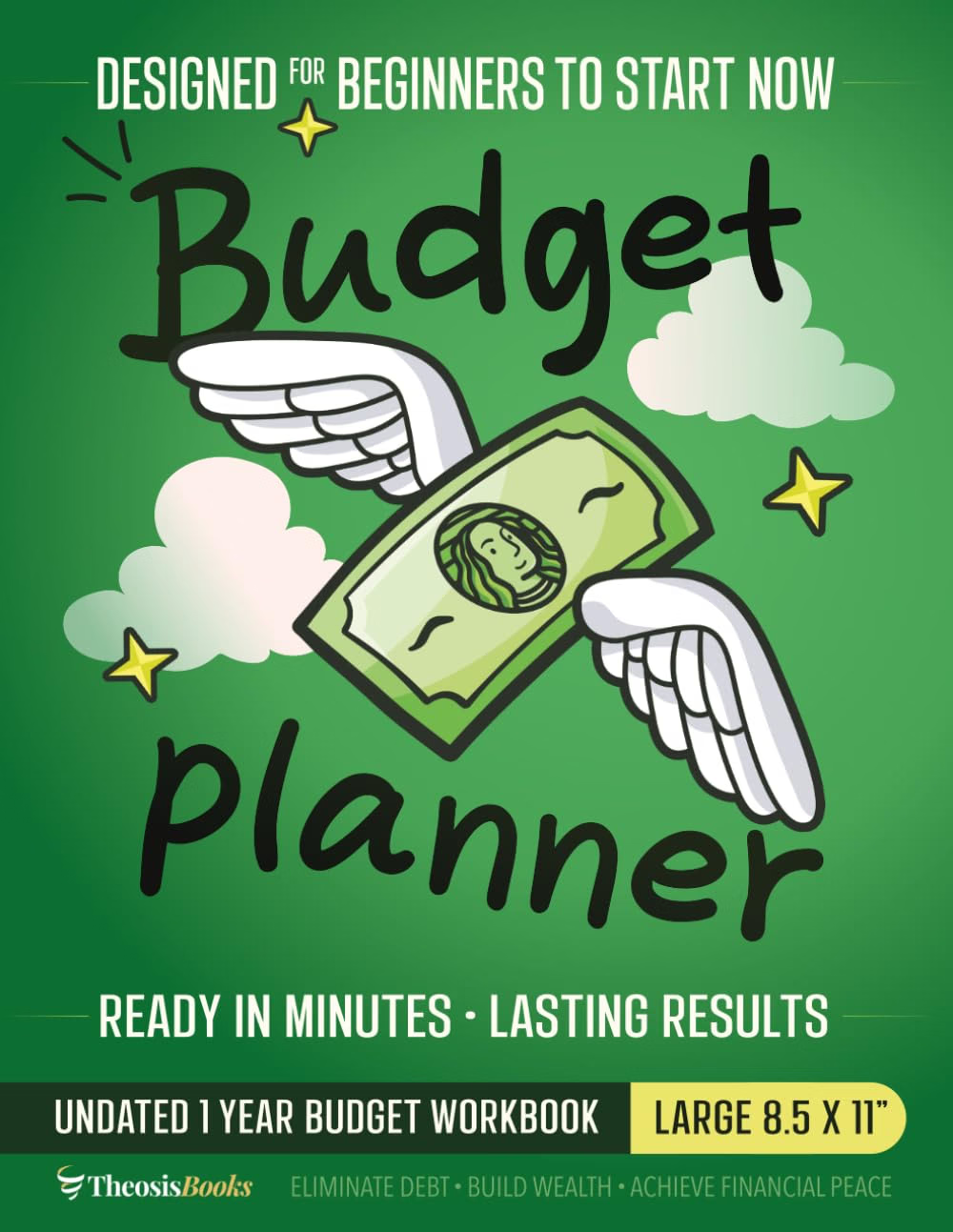
| You are stuck in a debt cycle and need to understand why you spend. | Achieve Financial Peace Budget Planner | Features a dedicated introduction on the psychology of debt, a full tutorial, and a debt strategy section to help you build confidence. |
| You have broken the debt cycle and just need to track 5 years of bills. | 60 Month Bill Payment Tracker | A lightweight, 5-year tracker to log bills and deposits without the calendar bulk. Keeps your desk clean and your mind focused. |
| You want a 5-year tracker that also replaces your desk calendar. | Monthly Bill Payment Checklist with Calendar | A 2-in-1 tracker with a full monthly calendar and a comprehensive bill payment checklist. |
Best For / Not Best For
Best for:
- People who feel overwhelmed by debt and don't know where to start.
- Anyone who has tried budgeting apps and failed.
- People who want to understand their emotional relationship with money.
Not best for:
- People looking for a quick fix or a "get rich quick" scheme.
- Those who only want a math equation and no psychological insight.
Frequently Asked Questions
Why do I keep failing at budgeting?
You likely fail because traditional budgets feel like punishment. They restrict your spending without addressing the emotional reasons why you spend in the first place. A successful budget requires understanding your money psychology, not just tracking numbers.
How does debt affect your mental health?
Debt causes chronic stress. When you are stressed, your brain enters a 'fight or flight' state, making it harder to make logical financial decisions. This often leads to avoidance—you stop checking your bank balance because you are afraid of what you will see.
How does a paper budget planner help with financial anxiety?
A paper planner forces you to face your numbers in a calm, controlled way. Writing down your debts reduces the fear of the unknown. It turns a scary, abstract problem into a concrete list you can tackle one step at a time.
Where to Find the Right Book
If you are ready to break the cycle of financial avoidance, the Achieve Financial Peace Budget Planner by Theosis Books is the perfect starting point. It includes a crash course on the psychology of debt, 8 pages of monthly expense tracking, and a debt strategy section to help you build real financial peace.