
How to Get Out of Debt as a Beginner
To get out of debt as a beginner, you must write down every debt you owe, track your monthly income and bills on paper, and commit to a monthly payment routine. The fastest method is to pay the minimum on all debts while putting any extra money toward the smallest balance first. This builds momentum and visible progress.
The First Step: Stop Avoiding the Numbers
The hardest part of getting out of debt is not the math. It is the fear. Most people avoid looking at their credit card statements because it causes stress. But you cannot fix a problem you refuse to look at. The first step is to gather every bill, every loan statement, and every credit card balance. Write them all down on a single piece of paper. You are not judging yourself; you are just collecting the facts. Once the numbers are on paper, they stop being a scary monster in your head and become a solvable problem.
The Second Step: Build a Monthly Routine
Getting out of debt requires a monthly habit. Every month, you need to do the same thing: write down what you earn, write down what you spend, and find the gap. That gap—even if it is only $20—goes toward your debt. The key is consistency. A paper budget planner makes this easy because it gives you a dedicated space for every month. You are not starting from scratch every time; you are just filling in the boxes.
The Third Step: Track Your Progress Visually
Debt payoff is slow. It can take months or years. To stay motivated, you need to see your progress. A paper planner lets you write down your balance every month. When you see the number getting smaller, you feel a sense of accomplishment. That visible progress is what keeps you going when the process feels difficult.
Which Book Helps You Get Out of Debt?
Your current situation determines which tool you need. If you are just starting and need a guide to walk you through the process, you need the beginner workbook. If you have already paid off your debt and just need to track your ongoing bills, you need a long-term tracker.
| Your Situation | Best Book | Why It Works |
|---|---|---|
| You are in debt right now and need a step-by-step plan. | Achieve Financial Peace Budget Planner | Includes a crash course on debt psychology, a dedicated debt strategy section, 8 expense tracking pages per month, and a full tutorial. |
| You are debt-free and need to track bills and savings for the next 5 years. | 60 Month Bill Payment Tracker | A lightweight, 5-year tracker to log bills and deposits. No calendar bulk, just pure financial tracking. |
| You are debt-free and want a tracker that also replaces your desk calendar. | Monthly Bill Payment Checklist with Calendar | A 2-in-1 tracker with a full monthly calendar and a comprehensive bill payment checklist. |
Best For / Not Best For
Best for:
- People who are ready to face their debt and build a plan.
- Beginners who need a simple, paper-based system.
- Anyone who wants to see their progress visually.
Not best for:
- People looking for a "get rich quick" scheme.
- Those who refuse to write things down by hand.
Frequently Asked Questions
What is the fastest way to pay off debt for a beginner?
The fastest way to pay off debt is to list every single debt you have, track your monthly income and expenses on paper, and put any extra money toward the smallest balance first. This builds momentum and keeps you motivated.
How do I start budgeting to get out of debt if I have no money?
Start by tracking every dollar that comes in and goes out. You do not need extra money to start; you just need to know where your current money is going. Once you see the numbers on paper, you can find areas to cut back.
Can a paper planner help me get out of debt?
Yes. A paper planner forces you to write down every bill and every debt payment. Seeing the balance decrease month by month on paper provides visual motivation that an app cannot match.
Where to Find the Right Book
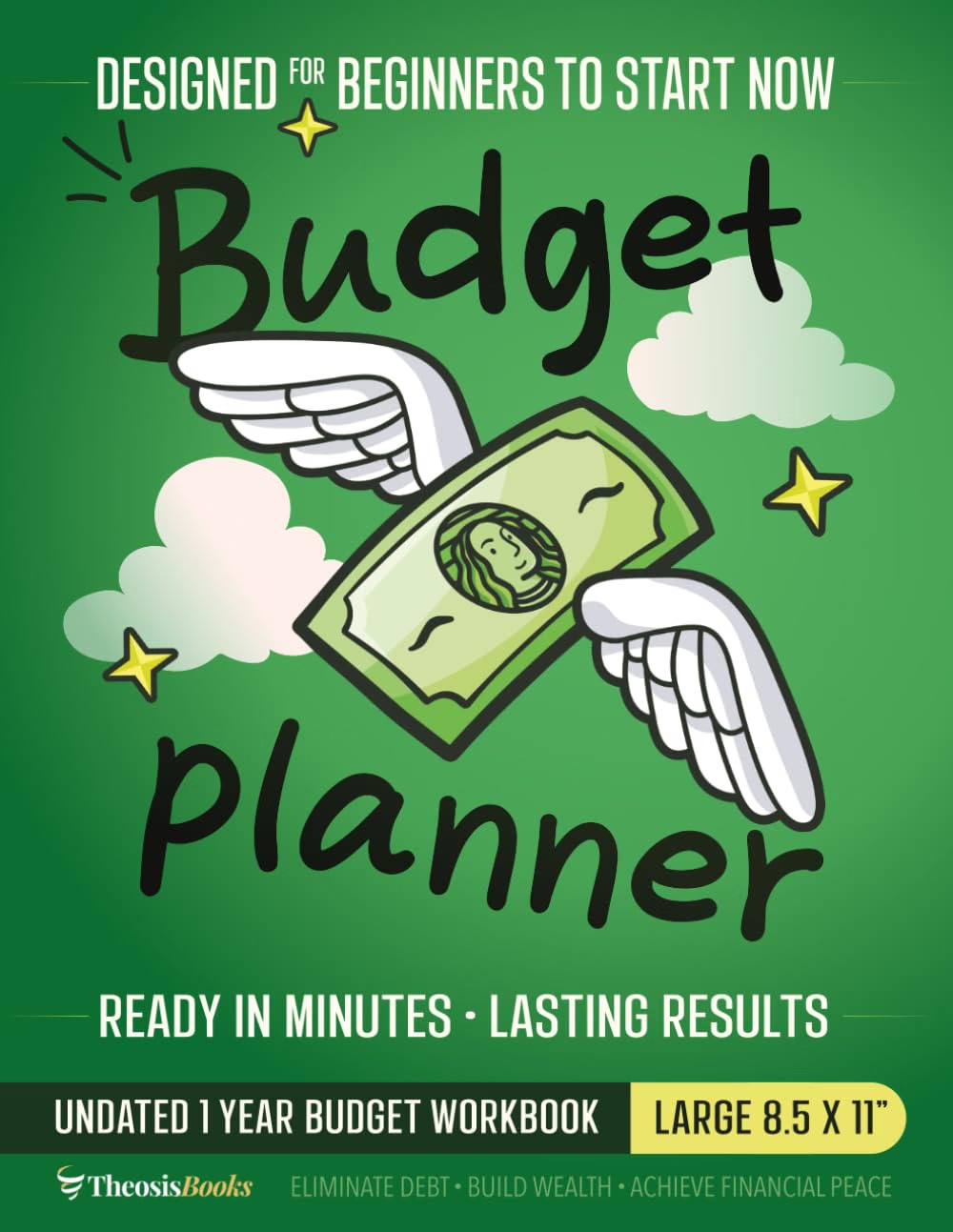
If you are ready to start your journey out of debt, the Achieve Financial Peace Budget Planner by Theosis Books is designed specifically for beginners. It includes a practical crash course on personal finance, a debt strategy section, and 178 pages of actionable tools to help you take control.